
Top Automotive Trends You’ll See More Of In 2025
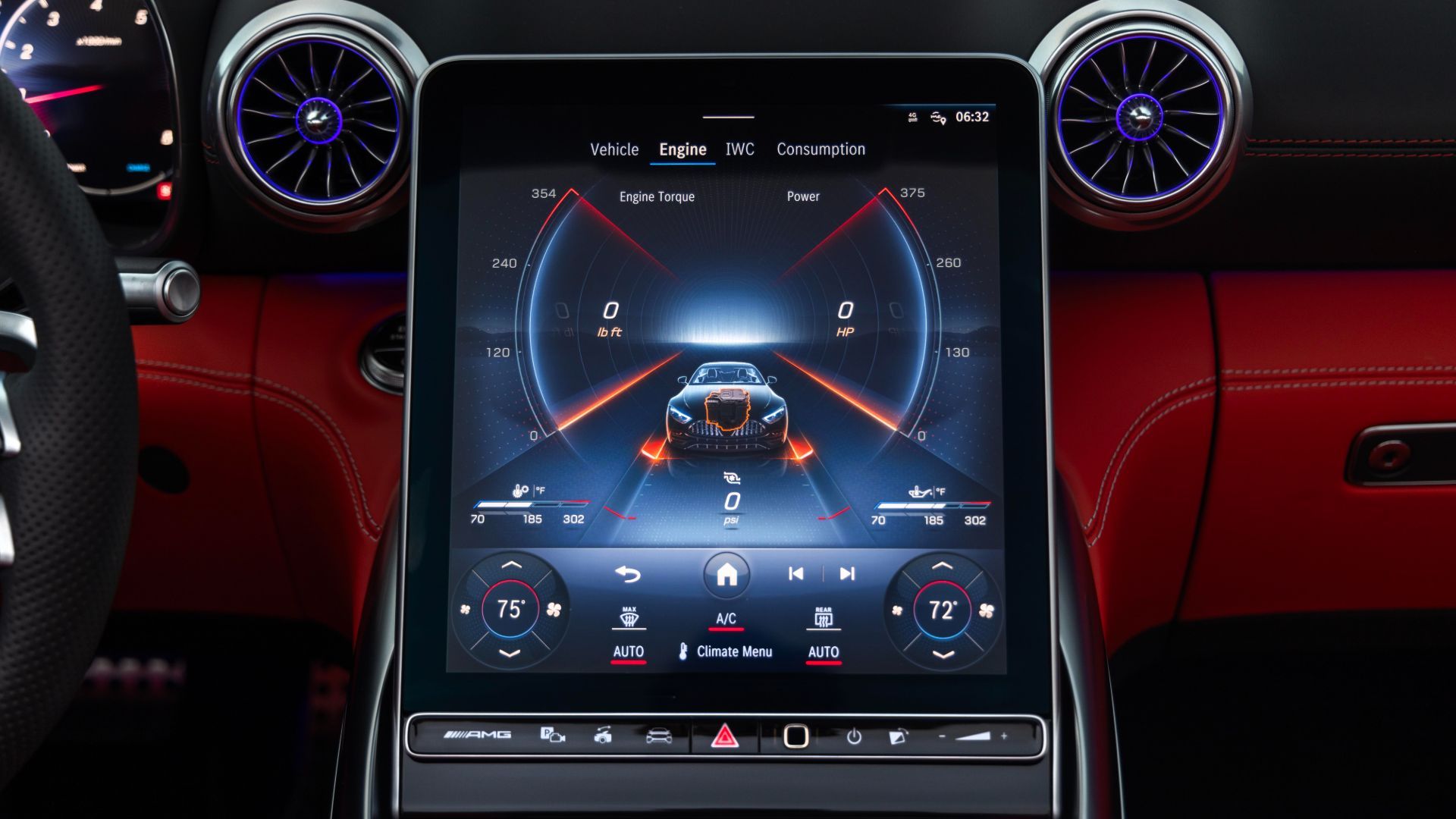
The motoring landscape is an ever-changing beast. Updates are introduced so often even the experts lose track. In fact, things that were once cutting-edge tech are now so commonplace, we get annoyed if they aren’t included with the basic model. Remember when the first cars were introduced with cupholders? USB ports? Retractable mirrors? These days manufacturers know that they’d better include these things as standard or most buyers will simply walk straight past.
New tech – from cupholders to Artifical Intelligence – is difficult to predict, but there are some technologies that we can confidently say are just around the corner. But what about trends in the industry as a whole? It’s not always about the latest features in cars or the move from ICE to EV a la Dodge Charger Daytona. There are some important themes in the automotive world right now that we need to take note of.
These trends have been identified based on knowledge of and experience in the automotive industry by experts at CarBuzz. We suggest these trends are worth keeping an eye on in the coming years.
1
The Rise And Rise Of The Hybrid
More Hybrid Tech Before The EV Onslaught
In 2024, hybrid car sales saw a year-on-year growth of over 19%, and it’s expected to increase to over 23% in 2025. Where many expected EVs to take the world by storm, in 2024 we saw a new theme with some automakers even backpedaling on their EV promises. Experts claim a number of reasons for this: Firstly, a seeming decline in demand for EV models, and secondly, the resultant price war to sell EVs has led many brands that specialize in hybrids to shine. As hybrids are priced below their EV counterparts – and, in some cases, on par with their gas siblings – these have become more attractive to Chinese.

Add CarBuzz to your Google News feed.
One of the big drawcards to EV ownership is also currently under threat in America. A focus on EVs has also traditionally been part of many an automaker’s zero emissions goals, but with declining sales due to these factors mentioned above, manufacturers are looking to hybrid vehicles as a means to meet their long-term emissions regulation targets. Finally, for those consumers who aren’t yet ready to commit fully to going electric, hybrids offers a chance to put a toe in the water and test things out without committing fully. Our prediction is that more automakers will invest in hybrid tech in the near future – Subaru is a good case in point.
2
Car-Makers Take Responsibility
Increasing Awareness Among Automakers

Following on the above point, automakers have almost all realized the need to reduce their carbon footprint. Some manufacturers are taking the onus off the consumer and taking it upon themselves to minimize the environmental impact. As mentioned above, you can’t talk about electric vehicles without emissions targets coming up in the conversation, somewhere.

Vehicle manufacturers know they’re just an influencer with a grudge away from a social media post featuring a CEO being asked if what his company is doing is really enough to save the planet.
With this in mind, many manufacturers have made greening-up part of their future plans, putting in place carbon-neutral practices and circular economy principles. Just as some drivers opt for eco-friendlier aftermarket parts, some manufacturers are considering low-resistance tires to boost fuel efficiency, for example. Manufacturers like Volvo make use of recycled materials in the interior of their cars. The 2025 Mini Cooper Countryman uses recycled textiles on the door cards. This will likely become much more commonplace.
3
Over-The-Air Updates Go Big
Not Just Minor Tweaks

We’re no longer strangers to over-the-air updates (OTA). As our vehicles move further away from being pieces of metal bolted together towards continually evolving software, an increasing number of vehicle enhancements and upgrades are becoming possible; OTA updates can be scheduled and run without being a major inconvenience, these days. Last year more than 11 million vehicles received updates in this way in China alone as bug fixes, vehicle improvements and updates were delivered to owners, mostly seamlessly. With OTA already prevalent then, it’s not that the number of OTA interactions will increase per se, more the number of things that can be done remotely that we predict will increase. Recalls, power upgrades, new settings, new tuning for the driving experience may all be dealt with without needing to take your car back to the automaker.

Related
The Most Extreme Over-The-Air Updates Made To Cars
The biggest upgrades you can make to a car using a Wi-Fi connection.
4
Through The Looking Glass
Smart Glass Tech
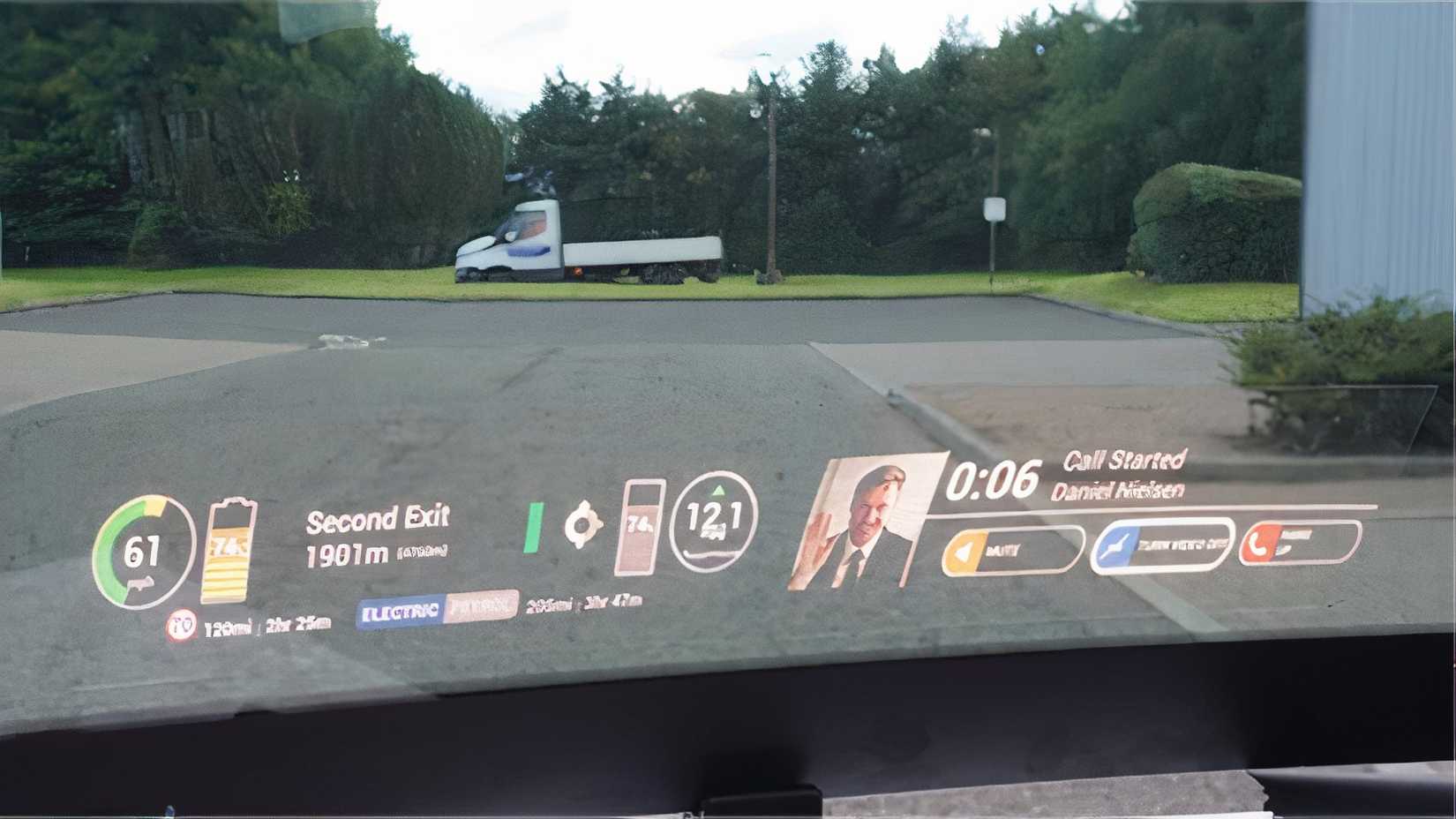
With all eyes on the body and engine of the vehicle, not many think about how automakers have changed what the glass on our cars can do. From windows that can be turned into customizable displays to holographs on the windshield and glass roofs that can turn opaque at the touch of a button, glass is something we foresee a bigger focus on in the future as manufacturers look to get the edge on the competition.
Liquid crystal displays can be integrated into windows, turning them into interactive panels capable of displaying navigation prompts or vehicle diagnostics without being a distraction. Head-up displays with floating icons are common now. The era of static map displays on infotainment screens will be a thing of the past as immersive navigation experiences with step-by-step instructions will allow us to view augmented reality overlays on the glass ahead of us.
Electrochromic glass can change its tint via an electric charge, allowing for real-time adjustment based on sunlight exposure or user preference, as seen in our review of the McLaren 750S Spider above. This technology not only enhances comfort by reducing glare but can also contribute to energy savings by minimizing the need for air con. Drivers can also switch between transparent and opaque with the flick of a switch and there are a host of customization options for both style and functionality available. Smart Glass is also lighter, which reduces fuel costs.
5
Siri, Drive me home
Autonomous Driving – Obviously
No list of automotive trends is complete without touching on autonomous driving, and while you can’t ask Siri to do that yet, we know something similar isn’t too far off. Fully self-driving cars won’t be taking you to work this year, but huge leaps and bounds will be evident in the technology. Highway self-driving and urban autonomy are improving rapidly and location-enabled advanced driver assistance system (ADAS) will play a crucial role in enhancing both safety and convenience, enabling hands-off, eyes-on driving.

Related
Mercedes Now Has The Fastest Autonomous Cars On The Autobahn
Mercedes Drive Pilot is now approved to be used at speeds higher than any other automaker.
This technology makes use of contextual information to minimize human errors in a range of scenarios and conditions. These are just some of the technologies that are constantly improving:
- Speed limit information,
- Lane-keeping assistance
- Adaptive and predictive cruise control
It isn’t just Tesla looking into self-driving vehicles. Many other automakers are developing their own hands-free driving technology including GM, Ford, and Rivian, and experts say the ever improving AI tech and hardware are likely to make these types of systems stronger and safer in the coming years.
6
Take A Seat
Comfort Is Just As Important
If you’re thinking that a seat is just a seat, then step aside, because you no longer only get great comfort on ultra-luxury models you can’t afford. While the exterior of the vehicle is what attracts you to the make of car, the interior is what’s going to keep you faithful to the brand. Mindful of that, automakers have been putting more research and development into making the interior – and seats in particular – as comfortable as possible.
From the material which must be both durable and comfortable, to the science behind the ergonomics, brands like Nissan are developing seating that promises to reduce fatigue and keep your comfortable and alert. Nissan has its Zero Gravity seats standard even on the budget entry-level Kicks for 2025. Hyundai offers something similar on the new Palisade, called Ergo Motion, which happened to be one of our favorite things about the SUV.

Related
Best Features Of The All-New Hyundai Santa Fe
It’s easy to get sidetracked by the Santa Fe’s dramatic redesign, but this SUV is full of useful features.
Yes, we already have heating and ventilation – and massage function – on our seats, but we also have biometric cooling on cars like the 2025 Infiniti QX80, which detects passenger comfort levels and adjust temperature. The theme of harnessing AI monitoring to keep passengers comfortable will surely turn into even smarter tech as the days progress.
7
Say ‘Cheese’
AI Cameras That Talk To You

Camera technology is also common in modern cars, but what about AI-powered dashcams? They are unlike the traditional sort where you merely push ‘go’, record the view from the front window and push ‘stop’ when you need to. These dashcams ‘talk’ to you in real time while you drive, making you aware – in case you were not – of potential threats to your safety. They’re a sort of co-pilot then, with advantages for anyone behind the wheel and those managing fleets.
“As AI technology continues to evolve, the capabilities of dash cams are expected to expand. Future innovations may include predictive analytics to anticipate and prevent accidents before risks arise; integration with autonomous vehicle systems, enabling semi-autonomous driving assistance; [and] advanced environmental mapping for even greater situational awareness.”
– Carl Williams, Tech Times
For the time being, users can enjoy the benefits that make journeys safer by
- Preventing accidents,
- Allowing for training opportunities,
- Lower fraud and insurance costs and
- Boosting fleet productivity
8
EV Charging Solutions
From Apps To Chargers
The EV growth pattern is still positive, even if it’s not quite as significant as some may have expected. But with infrastructure challenges, some manufacturers have aligned themselves with the likes of Tesla to benefit off the Supercharger network in order to make owning an EV more appealing. Volkswagen and Mercedes have both recently been given access to the network. This kind of alliance will continue to be vital for EVs to remain attractive to buyers. And with that, clever apps and features built into cars to make accessing friendly charging networks will likely continue to become more user-friendly.

Related
Mercedes Beats BMW To Supercharger Access
The German automaker’s EVs are gaining Tesla Supercharger access in a few weeks.
9
10
Simplified Styling
Futuristic Styling Is In The Past
Style and design will always be subjective, but there is a clear trend in terms of design language. While some manufacturers prefer simplified styling with clean lines and unfussed bodywork like the Lucid and Tesla examples above, others take a step away from going ultra-futuristic and instead look to retro designs for inspiration. The latest models from Scout Motors are a good example, with the 2027 Scout Terra and Traveler harking back to designs that were common decades ago.

11
New Sales Models
Selling Platforms Will Change

One thing we learned from the global shutdown during the COVID-19 pandemic was that car sales models could move from physical showrooms tot the virtual; we even experienced Kia’s TikTok configurator in 2024. While the latter isn’t likely to last, the importance of online marketing of this nature is an important trend we can’t ignore. The world exists on digital platforms, and anyone using any example of social media knows how easy advertising has become there. In China, a popular social media app (Weibo) works in conjunction with an e-commerce site. We expect more such collaborations in the near future.
12
13
More Power
Higher Horsepower Figures
The EPA recently announced results of its latest study regarding auto trends, finding that horsepower figures were at an all-time high in 2023.
“These…recent trends have been driven by market shifts towards heavier, more powerful vehicle types and technology changes within each vehicle type which have generally increased fuel economy, horsepower, and weight.”
– Environmental Protection Agency (EPA)
Thanks to the changes in technology that see smaller displacement turbocharged engines paired with hybrid power – as in the case of the Mercedes-AMG GT 63 S E Performance, for example – massive outputs are achieved. This is even more true of BEVs where even SUVs are able to produce 1,000 hp. This isn’t something likely to regress, so expect more powerful, quicker cars – even with four doors.
Sources: SmartGlassWorld, Naskar, Here.com, TechTimes, EPA.
link