Here’s Why I Reserved A Truck from Slate Automotive
Automotive journalists are a curious bunch, to put it mildly. Many drive new vehicles on a weekly basis, getting insider access to manufacturers for better, or occasionally worse, ends. I lost access to that gravy train four months into my 19-year career in automotive journalism, which forced a different perspective in both my car reviews and purchases. I feel modern automakers regularly push the wrong type of metal, cramming more people into fewer types of vehicles while putting profitability over brand positivity.
That statement fully resonated with me upon meeting a vehicle that truly spoke to my soul back in 2008: a beige Ford Ranger that was the last compact truck for sale in America. It forced me to wax poetically about an automotive underdog with zero clout amongst retail buyers and automotive journalists alike:
“After my time with a Ranger, the words ‘reasonable’ and ‘honest’ sprung to mind. As gas prices soar, the housing market tanks and sales of mid/full size pickups return from whence they came, the time for the Ranger to shine is now.”
Three years after that review was published, and against the advice of friends, family, and my even co-workers in the car business, I ordered a 2011 Ford Ranger XLT. I patiently waited around six weeks for its arrival. It sported luxuries like a carpeted floor, power windows, cloth seats, cruise control, fog lights, and a single-disc CD player.


Upon the installation of a spray-in bed liner and aftermarket tonneau cover, the manual transmission Ranger with a 16-valve heart of gold did not go unnoticed at the dealership: One of my co-workers ordered more Rangers like mine (but with automatic transmissions) to stock the lot before Ford shuttered the plant in December 2011. Dealerships know there’s no money to be made on cheap trucks like this, but the commissions from financing them are fairly juicy.
This Ranger was also my first new vehicle, but as of last week, it might not be my last. From its delivery date of August 20, 2011 to the same month in the year 2024, it needed precisely zero repairs and only basic maintenance. But how long can the Ranger keep this up? And after so many years of admirable fiscal behavior, don’t I deserve a new vehicle?
Maybe I do, and there’s historical precedent in the same vein as that original Ranger review from 2008. I have overwhelmingly positive feelings about EV trucks after reviewing two of them (here, here) back in 2022. One of those reviews came from a Ford press junket where journalists were fed the most flavorful shrimp, drank the fanciest cocktails, all while staying at a 6-star hotel. The apple doesn’t fall far from the tree, perhaps…
Before I’m called a hypocrite for panning others who attend these events and write glowing reviews afterward, I drove my trusty Ranger to and from that EV truck’s debut. It looked deliciously out of place in the hotel’s valet lot, and members of Ford’s PR team smiled when it rumbled up to the entrance with all the luxury sedans and posh SUVs.
On the way home from that press junket, I knew an EV truck was in my future. Vintage Ranger love only takes you so far, as it will never have muscle car-like performance with refinement that rivals the Lexus LS. Many EV trucks are fantastic vehicles for city dwellers (like me), especially if there’s charging available on one’s property. Those feelings only strengthen as I find more charging stations with every passing year, but I still want an honest little truck paired with my EV predilections.


Three years have passed since attending that EV truck event, suggesting history might repeat itself as it did with my initial Ford Ranger review in 2008. As if on cue, I read about Slate Automotive from an article we published last week.
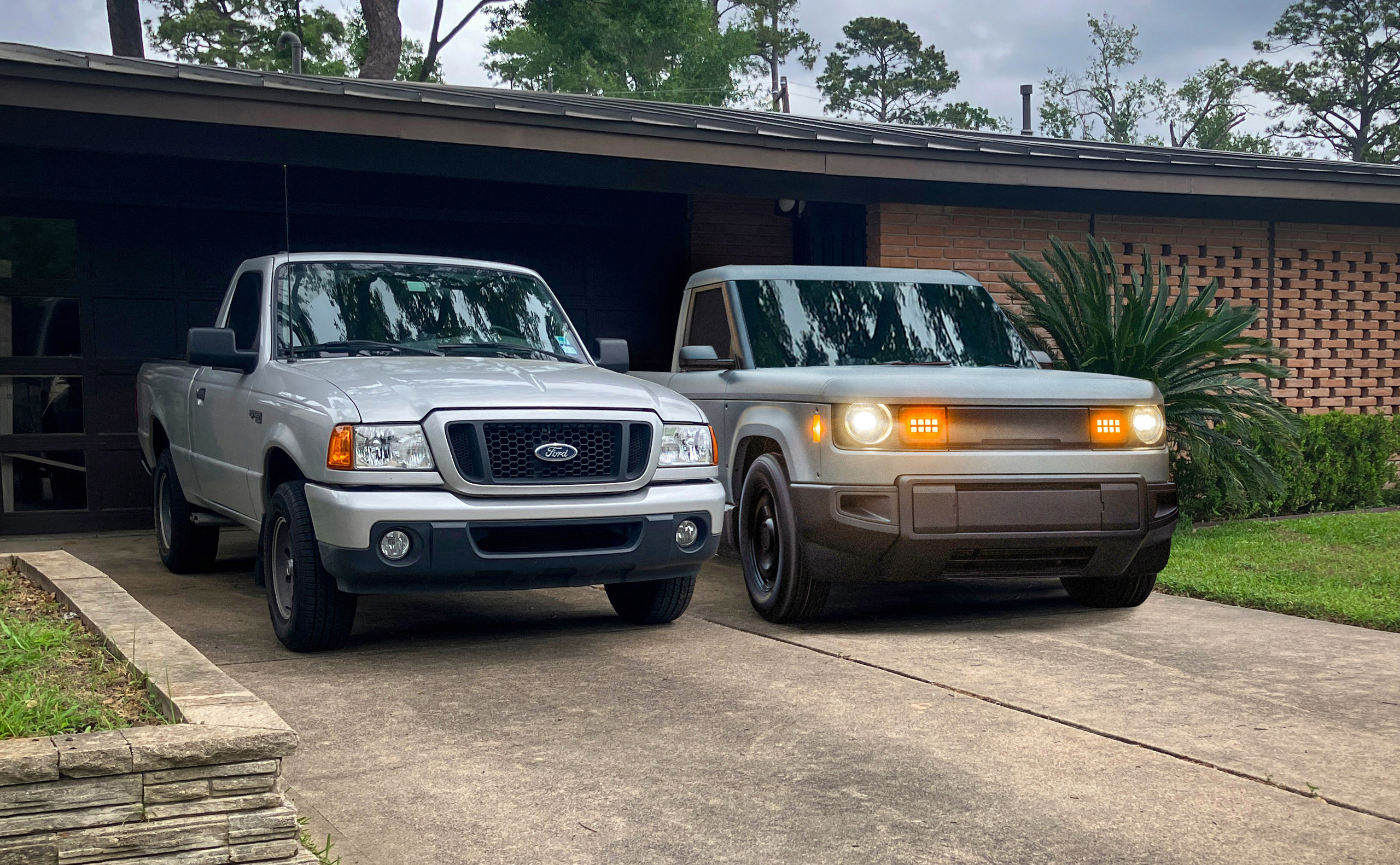
The folks at Slate really pushed my buttons: compact dimensions, honest levels of accoutrements, off-the-shelf EV componentry, online repair information (via the forthcoming Slate University), Scion Lego-like customizing capability, and a sub-$30,000 base price before federal incentives. The company seems to be running lean and mean (allegedly taking used office furniture abandoned by a neighboring company), but is topped off by financiers sporting the deepest of deep pockets. Even the MBA in me approved of their refundable $50 deposit.
I am now on the list for a basic work truck from Slate Automotive. It feels good, as I now understand why people get so excited about online product launches and reservation systems. My good vibes about EV trucks and my personal concerns about their size (and price!) have seemingly disappeared into a single vehicle. So now my mind begs the question, “What could possibly go wrong?”
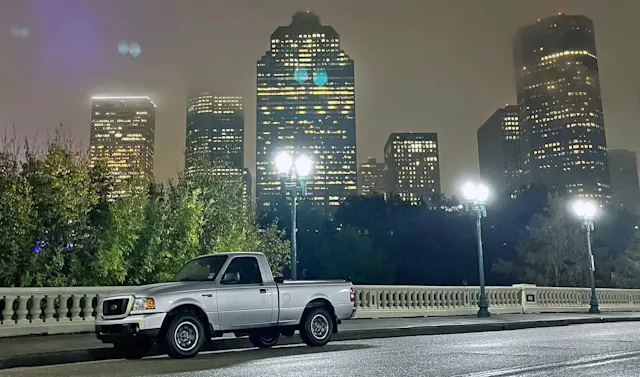

I cannot escape the notion that test drives on local roads are mandatory before purchasing financing a vehicle. I can’t just go to a local dealer, find the worst road in the area, and fully experience how well Slate’s engineers tuned the suspension and chassis. But that’s not the biggest concern swimming in my head.
I am not Slate Automotive’s typical customer, even if I preach at the altar of these honest compact trucks. The unconventional automotive journalist behind columns like Piston Slap and Vellum Venom has maintained and customized this little truck to an impossibly high standard. Our very own Eric Weiner drove my Ranger for a weekend, and put it this way:
“The compact Ford Ranger has a fairly anodyne, single-cab compact truck appearance. Most trucks like this struggle to keep up with modern traffic and need to be hustled hard. Not the case here—Sajeev’s Ranger has the spunk of a sports car. You don’t notice the willingness and relative athleticism until you need to quickly change lanes on one of Houston’s heinously trafficked highways.
Need to hit that gap in the lane over? The Ranger downshifts, accelerates, and steers with Focus SVT-like verve.”
It’s amazing what upgrades like Bilstein shocks, an SCT computer re-flash, a short shifter, and featherweight Alcoa wheels from the Ranger FX4 Level II can do for a cheap truck. I call my Ranger a Miata with a Bed, and nobody disagrees when they slide behind the wheel.
Perhaps the internal conflict now comes into focus: can a well-maintained, upgraded, and de-bugged veteran platform overcome its 14-year age handicap over an EV truck from a well-funded startup?
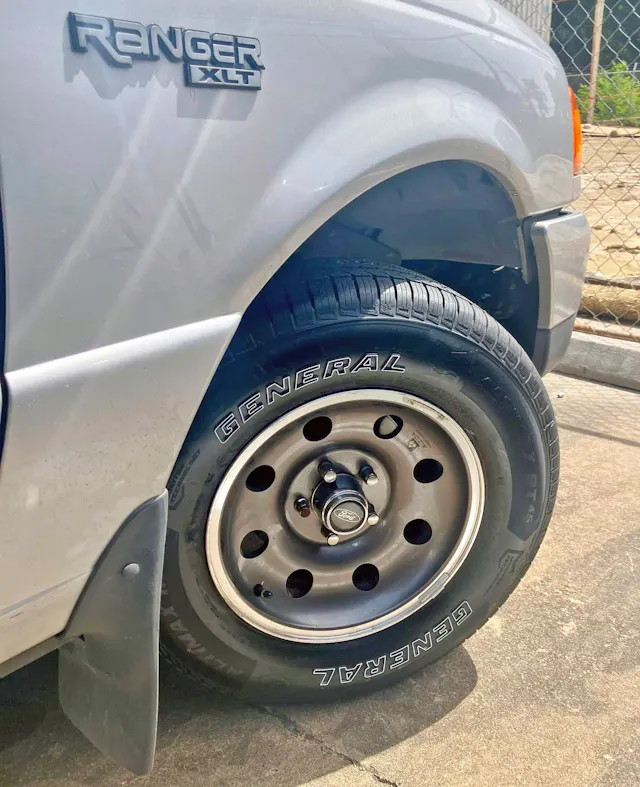
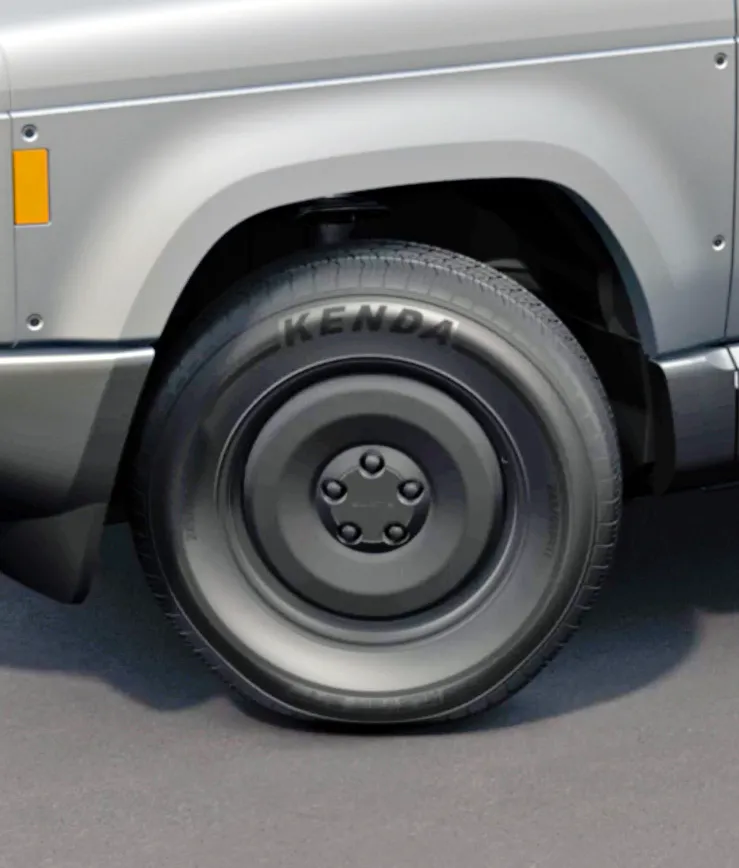
And do I want to perform upgrades again with a new truck? As I look at the Kenda tires (a brand I question after experiencing tread separation) on the Slate’s configurator page, I reckon this truck won’t be perfect for me right out of the box. I also fear the seats won’t be very comfortable compared to the Ranger—Ford’s ownership of Volvo clearly enhanced the seat backs in these final Rangers. My doubt and pickiness aside, the Slate will likely be a fun, quiet, and minimalist EV truck that satisfies 90% of my needs right out of the box.
Even better, it is estimated to be the same price as my 2011 Ranger when adjusted for inflation. The Slate truck’s appeal is undeniable for an urban commuter with a penchant for the small and subtle charms of life. I hope you join me in this journey, because there’s a good chance that the long-term ownership of a 2011 Ford Ranger will be the best reason to buy a truck from Slate Automotive. Or not?
link